正在学习
6.4 Rotating Machines: Active Elements
6.4 Rotating Machines: Active Elements
These machines have fixed but also moving parts. The stator is the fixed part, and the rotor is the part of the machine that moves, mainly rotates. A rotating machine can be arranged used as a motor, or for electricity generation (Fig. 6.7). Among others, the basic components are the stator as well the rotor.
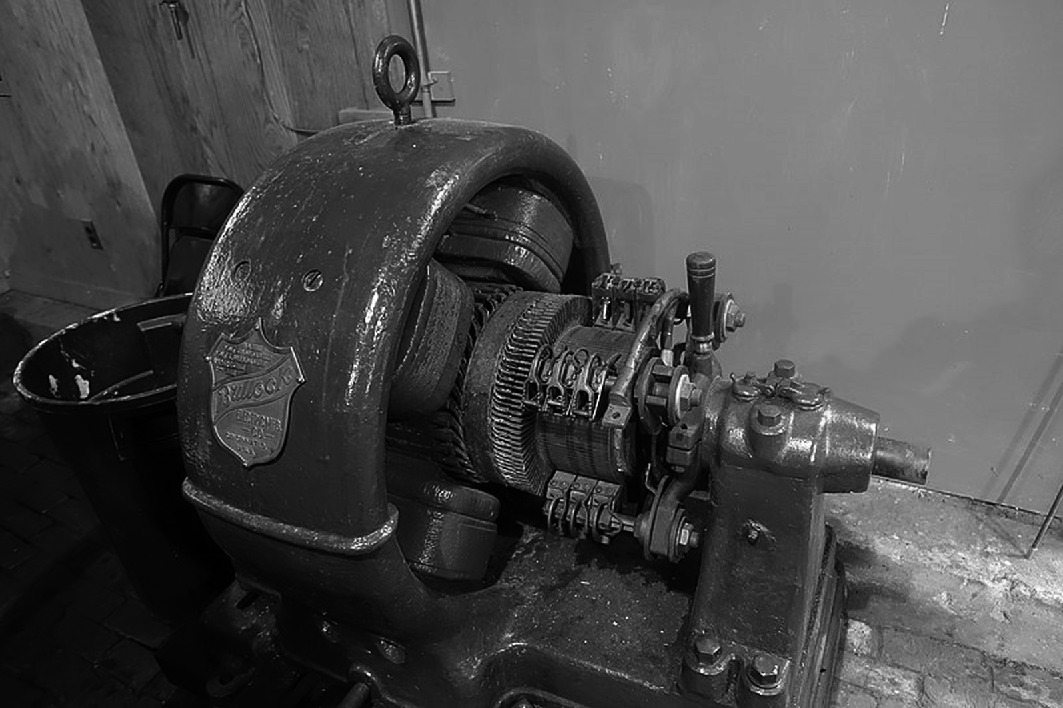
Fig. 6.7 Parts of a rotating machine. Source From wikicommons under free to use license [7]
We classify rotating machines according to the function they perform:
Generators
Their task is to generate electricity from other primary energy sources that often have been converted into mechanical energy.
Motors
They convert electrical energy into mechanical energy. The mechanical energy as torque is used to generate work. This torque turns a shaft, allowing a specific amount of work to be done. In addition, it is common to divide rotating machines into two types: DC machines and AC machines. AC machines can function either synchronously or asynchronously. Then we can classify them (Fig. 6.8).
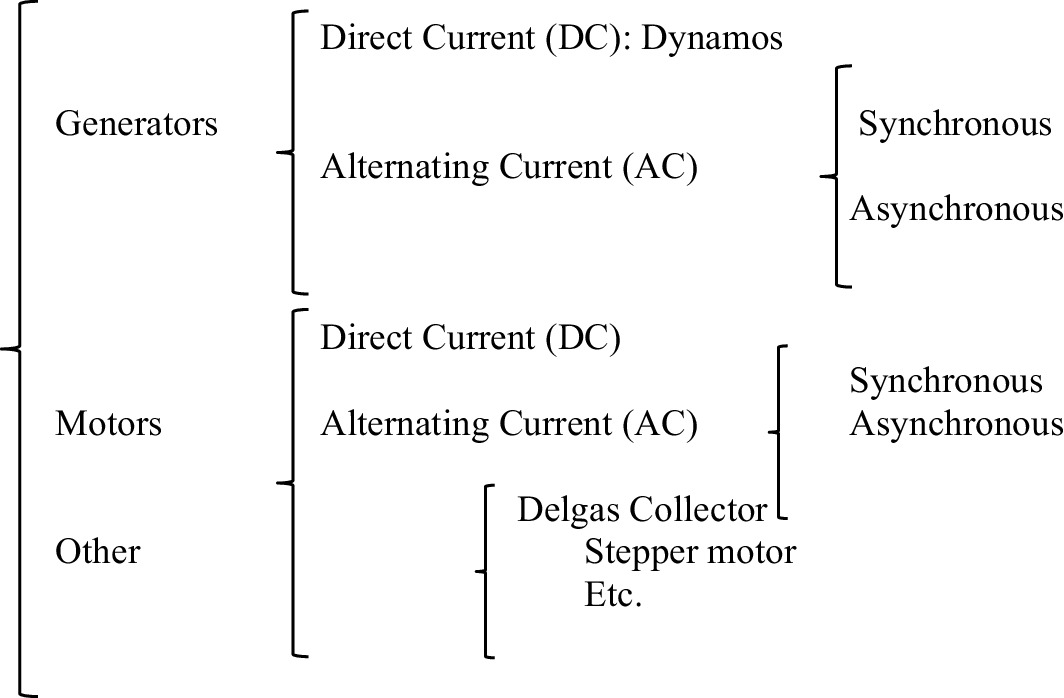
Fig. 6.8 Types of rotating machines. Source Own elaboration
练习题
What is the stator in a rotating machine?
How are AC machines classified according to their operating mode?
What is the primary function of a motor in a rotating machine?
Which of the following statements about rotating machines are correct?
Generators are rotating machines that produce electricity from primary energy sources that have often been converted into mechanical energy.
AC machines can only function synchronously.
Rotating machines are commonly divided into two types: DC machines and AC machines.
The ___ is the part of a rotating machine that moves, mainly rotates.
In a motor, the mechanical energy as ___ is used to generate work by turning a shaft.
Explain the key difference between static machines (like transformers) and rotating machines in terms of their components and ability to perform work.
Which of the following statements correctly distinguishes between static machines and rotating machines?
Which of the following statements about energy conversion in electrical machines are correct? Select all that apply.
AC machines can be classified as synchronous or asynchronous, and they operate using the alternating current power concepts studied in AC circuit analysis.
Both static machines and rotating machines are classified according to the ___ they perform, with transformers classified as static machines and motors and generators classified as rotating machines.
登录后解锁笔记、知识点解析、AI 问答
立即登录