正在学习
6.11 Electrical Circuit of Electrical Machines
6.11 Electrical Circuit of Electrical Machines
Loops make up the electrical circuit of most machines, with a few notable exceptions, such as squirrel cage rotors in asynchronous machines. There are various ways to place these loops. Winding the conductor on the appropriate magnetic core creates the loops in transformers. We can arrange them differently, although it is common to use concentric windings in static electric machines to save material, and space (Fig. 6.33).
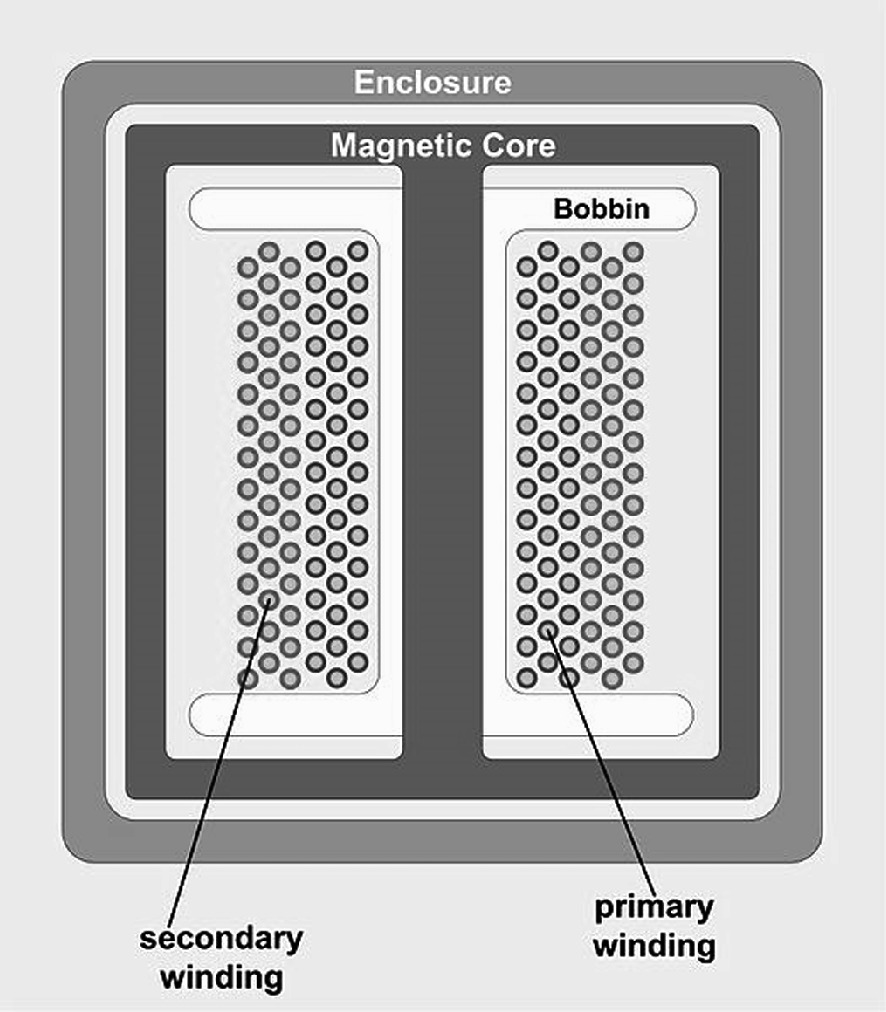
Fig. 6.33 Concentric windings in an isolation transformer.
The two most widely used constructive arrangements are separate windings (Fig. 6.34) especially in a static electric machine. In rotating machines, the windings comprise coils joining two active sides.
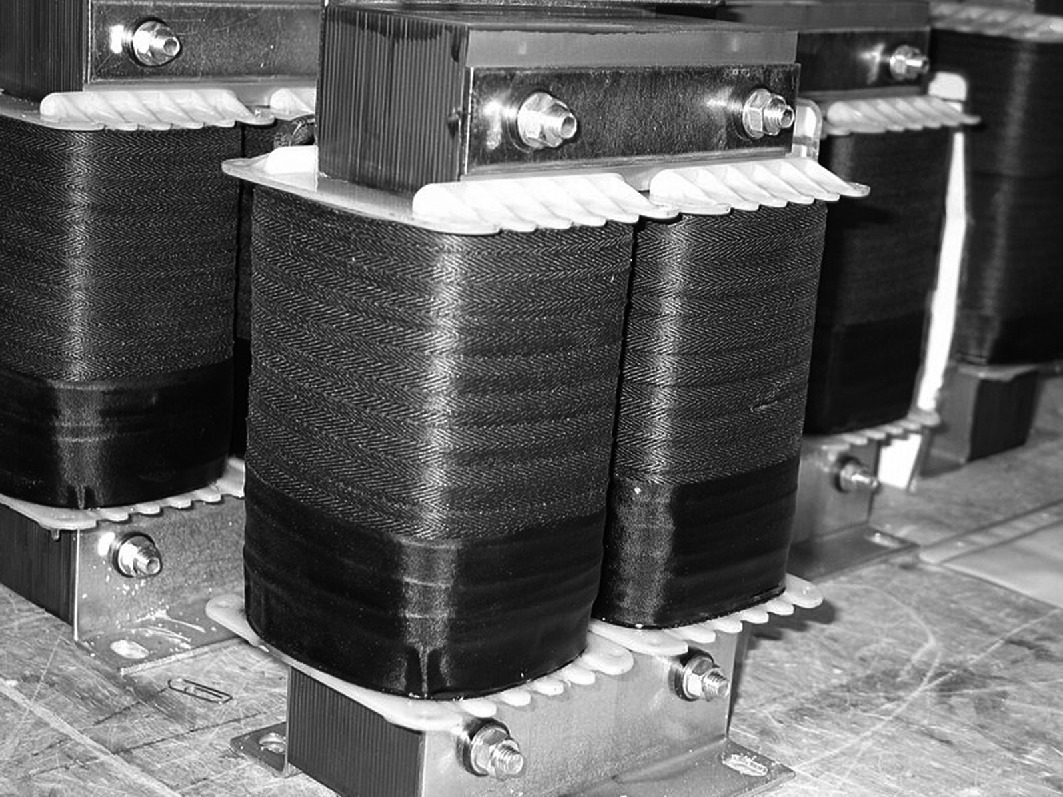
Fig. 6.34 Separate windings.
练习题
What is a notable exception to the general rule that loops make up the electrical circuit of most electrical machines?
A. The stator windings in synchronous machines
B. The squirrel cage rotor in asynchronous machines
C. The field windings in DC machines
D. The armature windings in induction motors
How are the loops created in transformers?
A. By arranging separate coils on different magnetic cores
B. By winding the conductor on the appropriate magnetic core
C. By connecting two active sides with conductive bars
D. By embedding conductors in the rotor slots
Why are concentric windings commonly used in static electric machines such as transformers?
A. To increase the magnetic flux density in the core
B. To reduce eddy current losses in the windings
C. To save material and space
D. To improve cooling of the windings
Which of the following statements about winding arrangements in electrical machines are correct?
A. Separate windings are widely used in static electric machines
B. Concentric windings help save material and space
C. Rotating machine windings comprise coils joining two active sides
D. All electrical machines use loop-based circuits without exceptions
Squirrel cage rotors in asynchronous machines are an exception to the general rule that loops make up the electrical circuit of most machines.
In rotating machines, the windings comprise coils joining two active sides.
Concentric windings are primarily used in rotating machines to increase the torque output.
In transformers, the loops are created by ___ the conductor on the appropriate magnetic core.
In rotating machines, the windings comprise coils joining two ___ sides.
Explain why ferromagnetic materials are used for the magnetic cores on which transformer conductors are wound.
A transformer has its primary winding with 400 turns wound on a ferromagnetic magnetic core. If a current of 5 A flows through this winding, what is the magnetomotive force (MMF) produced?
A. 80 At
B. 405 At
C. 2000 At
D. 395 At
Transformer windings are wound on ferromagnetic cores because these materials have high magnetic permeability, which results in lower reluctance and helps keep the magnetic flux contained within the machine.
Which of the following statements correctly describe the relationship between winding arrangements and magnetic circuit design in electrical machines?
A. Concentric windings are commonly used in static electric machines to save material and space
B. Ferromagnetic materials are used for magnetic circuits to keep magnetic flux inside the machine
C. Higher permeability of the core material results in higher reluctance of the magnetic circuit
D. Rotating machines have windings comprising coils with two active sides
E. Squirrel cage rotors are an exception where loops do not form the electrical circuit
In electrical machines, loops form the electrical circuit while ferromagnetic materials are used for the magnetic circuit because they have high magnetic permeability, which results in low ___ for the magnetic flux.
登录后解锁笔记、知识点解析、AI 问答
立即登录