正在学习
6.2 Static Machines: Types
6.2 Static Machines: Types
Static machines are those in which all parts do not move during operation. This includes the transformer which we see below Fig. 6.1.
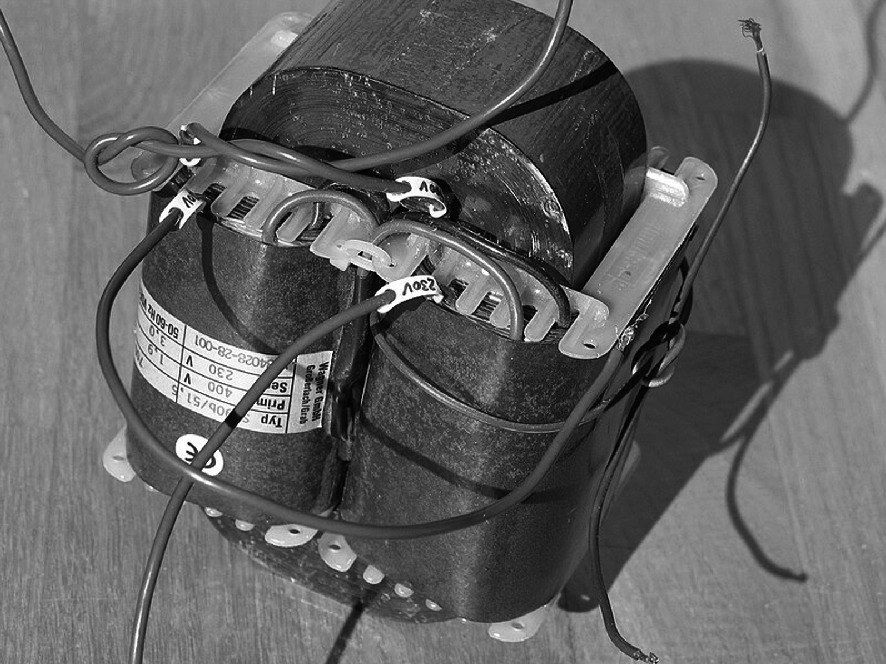
Fig. 6.1 Electric transformer. Source From wikicommons under free to use license [1]
The basic static machine is the transformer. We classify transformers according to the function they perform.
Their task is to transmit electrical power by varying the electrical conditions of the power. A power transformer maintains a constant frequency value while varying the voltage and current values associated with the electrical power it transmits.
Static machines.
- Transformer
- Power transformers
- Special transformers
- Auto-transformer
- Measurement transformers
- Protection transformers
- Special transformers.
练习题
What is the defining characteristic of static machines?
A. They have rotating parts that move during operation
B. All parts do not move during operation
C. They convert mechanical energy to electrical energy
D. They require a cooling system to operate
The transformer is considered the basic static machine.
What is the primary task of a transformer?
A. To generate electrical power from mechanical energy
B. To store electrical energy for later use
C. To transmit electrical power by varying the electrical conditions of the power
D. To convert AC power to DC power
A power transformer varies the frequency value while maintaining constant voltage and current.
Which of the following are types of static machines listed in the text?
A. Transformer
B. Auto-transformer
C. Measurement transformers
D. Protection transformers
E. Rotating machines
Transformers are classified according to the ___ they perform.
Explain how a power transformer handles frequency, voltage, and current when transmitting electrical power.
Based on the classification of electrical machines, which category does a transformer belong to?
A. Rotating machines, because it handles electrical power
B. Static machines, because all parts do not move during operation
C. Both static and rotating machines, depending on the application
D. Neither static nor rotating machines, because it is a special device
The transformer is included in the list of types of static machines.
An electrical machine is classified as static when all its parts remain stationary during operation. Based on this classification and the properties of transformers, which statement correctly explains why a power transformer is considered a static machine?
A. It converts mechanical energy to electrical energy without any moving parts
B. It transmits electrical power by varying voltage and current while all parts remain stationary during operation
C. It rotates at a constant speed to maintain frequency while transforming voltage levels
D. It requires mechanical motion to transfer power between its primary and secondary windings
A power transformer transmits electrical power while maintaining a constant frequency value and varying the voltage and current values, which means the active power formula can be applied to analyze power transfer in the transformer.
In an RL circuit, the current lags the voltage by an angle , and the active power is calculated as . When a power transformer transmits electrical power to such a load, it maintains a constant ___ value while varying the voltage and current values.
Which of the following statements correctly describe the relationship between static machines and their role in AC power systems?
A. Static machines are characterized by having all parts stationary during operation
B. Transformers transmit electrical power by varying electrical conditions while keeping frequency constant
C. The reactive power in transformer circuits can be analyzed using the power triangle concept from RL circuit analysis
D. Static machines require rotating components to transfer power between circuits
E. Power transformers are classified as static machines because they have no moving parts during operation
登录后解锁笔记、知识点解析、AI 问答
立即登录