正在学习
1.4 Constitution of Copper
1.4 Constitution of Copper
Electric current commonly flows through wires. Copper (Cu) is one of the most widely used materials in the electricity industry. For this reason, we study its composition. Minerals such as azurite, malachite and others contain copper in different proportions. Different mineral contain copper (Fig. 1.5), and we use different processes to extract copper with various purity grades.
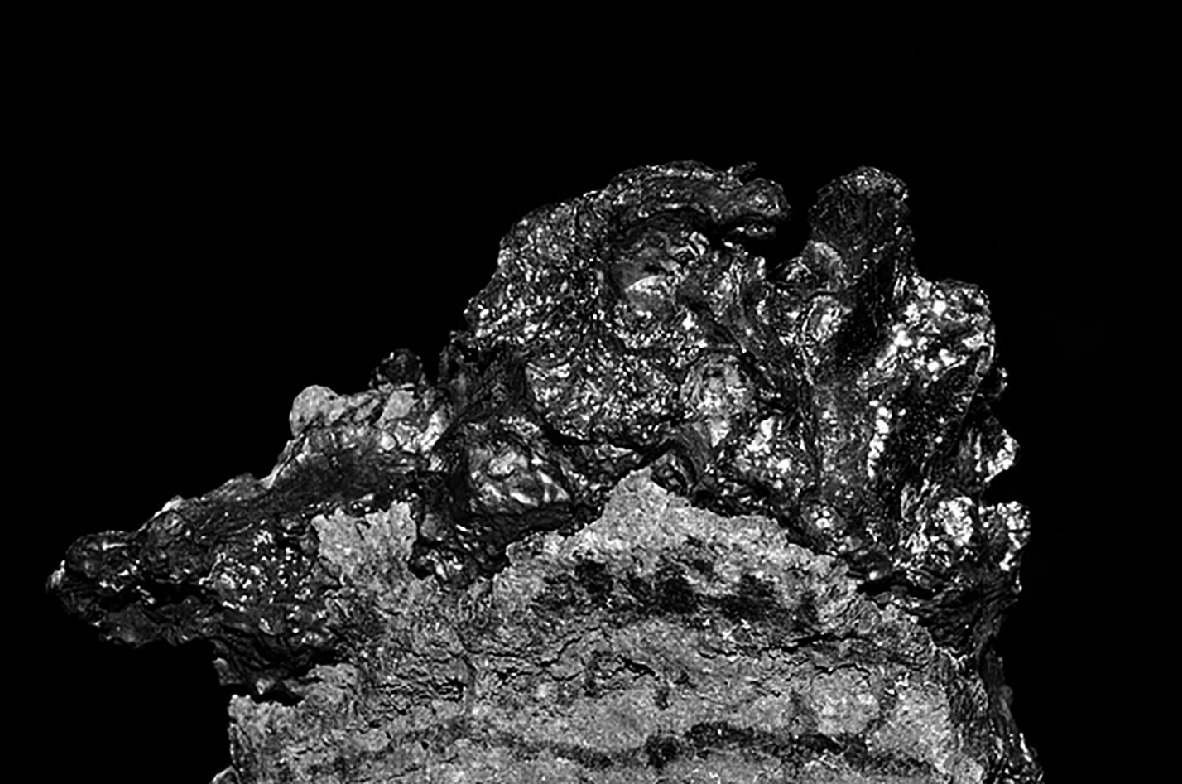
Fig. 1.5 Copper mineral. Source From wikicommons under free to use license [4]
The atom of copper contains 29 protons and 35 neutrons. There are 29 electrons in different orbits around the nucleus (Fig. 1.6). The atom is neutral from the outside because each proton has a positive charge and each electron has a negative charge, both of which are equal. Since matter is made up of atoms, it is also neutral.
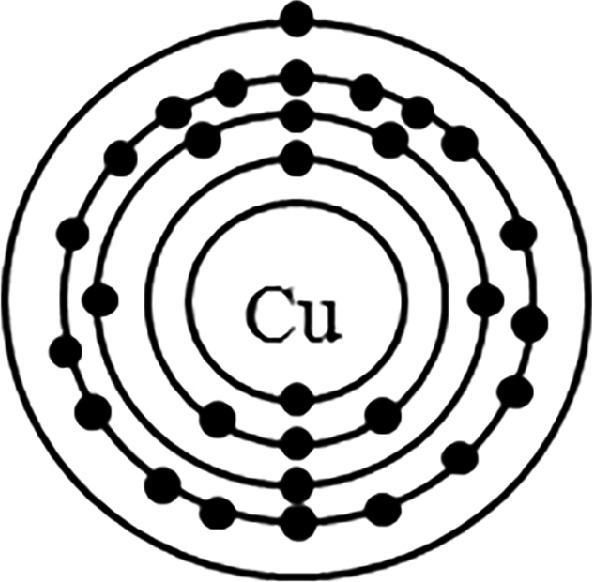
Fig. 1.6 Electron shell of copper. Source Own elaboration
Two electrons traveling in circular orbits occupy the first energy level. These electrons are closely bound to the nucleus. This is due to the strong electrical attraction forces between protons and electrons at this energy level, which is very close to the nucleus. The second energy level contains 8 more electrons. These electrons follow circular and elliptical orbits (Fig. 1.6). The attractive forces between the protons in the nucleus and the electrons are smaller in this orbit. This is due to the greater distance between them. The energy of the electrons in this level is therefore higher than in the previous one. The third energy level contains 18 electrons that follow circular and elliptical orbits. Then, the fourth orbit is occupied by a single electron that is very weakly bound to the proton of the nucleus. This is what gives the copper atom its special electrical conductivity quality.
Once a shell or layer is complete, the electrons are tightly bound to the nucleus and it is very difficult to release them from their orbitals. In the case of copper, on the other hand, the last layer is not complete. In this case, electrons, called valence electrons, experience high mobility and they also can change their orbits without much difficulty. This is why we call them free electrons. In case of materials or elements containing these atoms, the electrons of the last layer (free electrons) are in constant motion, moving from one atom to another adjacent atom. Under an electromotive force, atoms constantly lose electrons and become a positive ion (Copper wire). The positive ions attract electrons and then an electron flow is established (Fig. 1.7). We have to decide the flow direction. This figure also shows the conventional current flow direction as the contrary of the flow of electrons.
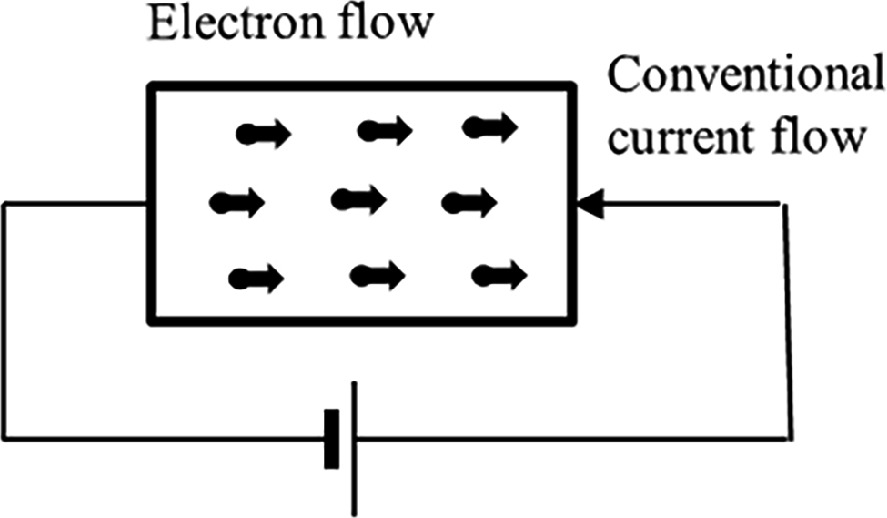
Fig. 1.7 Electrons flowing in copper. Source Own elaboration
When an atom loses an electron, it becomes positively charged. Since it has more positive charges, it becomes a positive ion. As a result, its state is no longer neutral because there is an imbalance of charges.
练习题
A copper atom has 29 protons in its nucleus. How many electrons does a neutral copper atom have, and what is the number of neutrons in the most common isotope described in the text?
Why is copper particularly well-suited for electrical conductivity compared to elements with complete outer electron shells?
In a copper wire carrying electric current, what is the relationship between the direction of electron flow and conventional current flow?
Which of the following statements correctly describe the electron configuration of a copper atom? Select all that apply.
Which of the following statements about free electrons in copper are correct? Select all that apply.
A neutral atom has equal numbers of protons and electrons, resulting in balanced positive and negative charges.
When a copper atom loses an electron, it becomes negatively charged because it has gained extra negative charge.
Electrons in the second energy level of copper have lower energy than electrons in the first energy level because they are farther from the nucleus.
Under an electromotive force, copper atoms constantly lose electrons and become a ___ ion.
Copper is extracted from minerals such as azurite and ___ with various purity grades.
Explain why electrons in copper's first energy level are more tightly bound to the nucleus compared to electrons in the outer energy levels.
Describe how the motion of charged particles in copper wire relates to the branch of physics called electrokinetics, and explain what establishes this motion.
According to Coulomb's law, the electrostatic force between two charges is inversely proportional to the square of the distance between them. Based on this principle and the structure of the copper atom, why are electrons in the first energy level more tightly bound to the nucleus than the electron in the fourth energy level?
The motion of free electrons moving from one copper atom to another adjacent atom under an electromotive force is an example of electrokinetics.
Which of the following statements correctly describe what happens in a copper wire when an electromotive force is applied?
When a copper atom loses its outer electron, it becomes a positive ion. According to the definition of electric force, this ion can experience ___ force with other charged particles because bodies with unlike charges experience mutual attraction.
登录后解锁笔记、知识点解析、AI 问答
立即登录